
Natural vs lab-grown diamonds: how to choose
Both choices can create a beautiful finished piece. The useful question is not which category is universally better, but which origin, specifications, budget, and personal meaning fit your priorities.
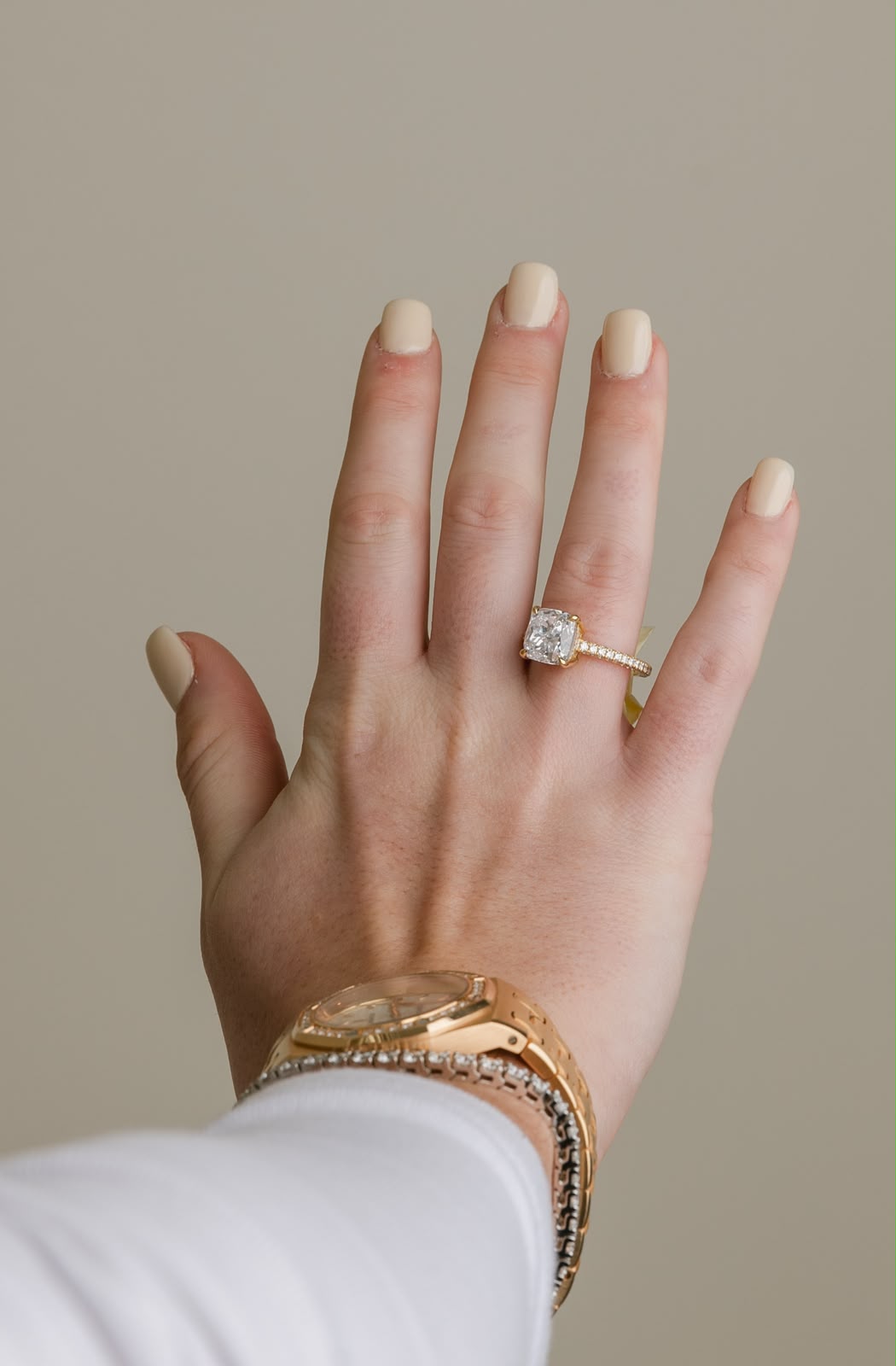
What is the fundamental difference?
A natural diamond forms through geological processes and is recovered from the earth. A lab-grown diamond is created in a controlled environment using technology that reproduces the conditions needed for diamond crystal growth. Both are diamonds; origin is the key distinction that should be disclosed clearly.
Compare the same specifications
Do not compare by carat weight alone. Review cut or proportions, colour, clarity, measurements, fluorescence where relevant, and the grading document offered with the stone. Two diamonds with the same headline grade can still present differently in person.
Decide what the budget should accomplish
One client may prioritize natural origin and rarity. Another may prioritize a larger visual spread, higher specifications, or allocating more of the budget to the setting. Establish the total project budget before choosing the centre stone so the ring remains balanced.
Consider the finished design
The setting changes how a diamond appears and wears. Shape, setting height, prong style, halo, side stones, band width, metal colour, and the wedding-band pairing should be considered alongside the centre stone rather than after it.
Questions to bring to a consultation
- OriginIs natural or lab-grown origin meaningful to me?
- PrioritiesWhich matters most: size, cut, colour, clarity, rarity, or total budget?
- DocumentationWhat grading information accompanies the exact stone?
- WearHow will the setting fit daily routines and a future wedding band?
Compare stones within one clear design brief
Share the desired shape, metal, setting direction, budget, timing, and whether you want to consider natural diamonds, lab-grown diamonds, or both.